Impact & Success Stories
Our WeGen initiative stands as a blueprint for the future: converting Hong Kong's urban food waste into chemical-free agricultural produce through a proven circular economy model.
A Circular Ecosystem, Refined.
Through strategic partnerships with Hong Kong's leading food and retail groups, we've operationalised a localised circular economy that restores both soil and community.

Resource Collection
Pre-consumer food waste — fruit peels, coffee grounds — gathered from 70+ Maxim's locations across Hong Kong.
Urban Input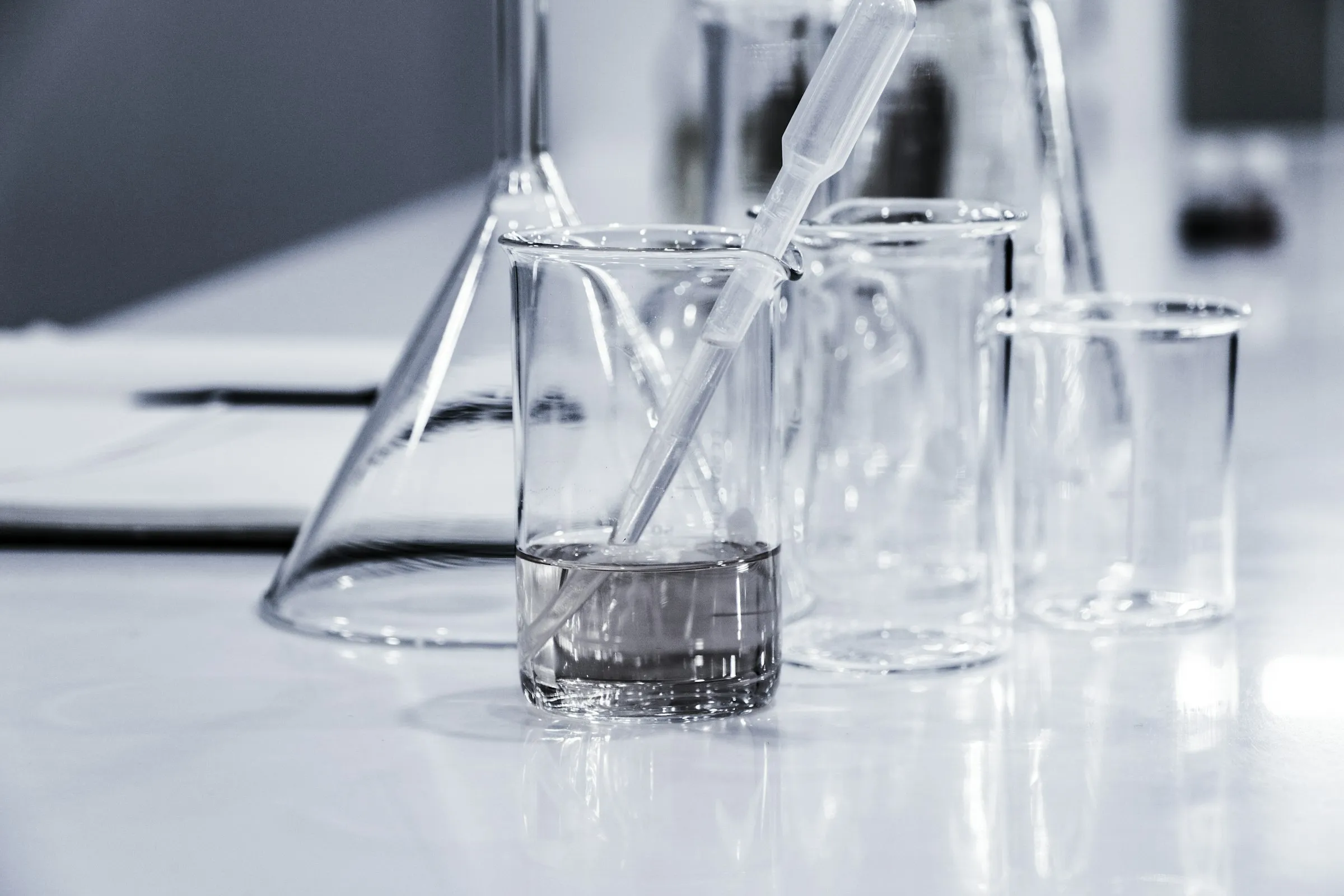
Transformation
Proprietary microbiome technology converts collected waste into nutrient-dense eco-enzyme formulations for soil health.
Scientific Process
Regeneration
Hung Yat Farm uses these eco-enzymes to grow chemical-free produce on local soil — no fertilizers, no pesticides.
Growth Stage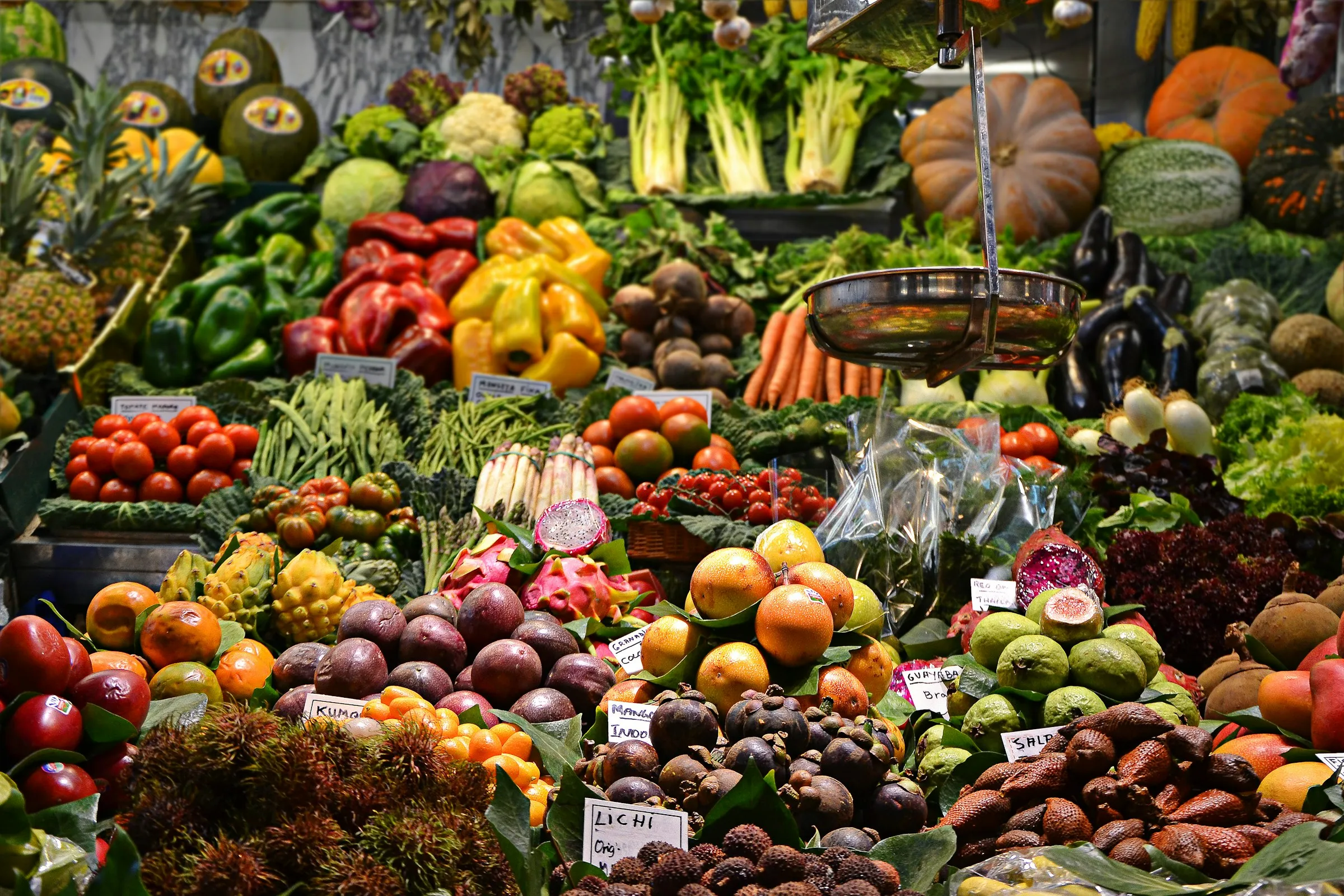
Retail Return
Fresh harvest returns to partners' shelves under the Grounds to Goodness brand, completing the circular journey.
Full CircleMeasurable Change in Action
Beyond corporate responsibility, we deliver data-driven environmental restoration across Hong Kong's food ecosystem.
"Our mission is to prove that circular economies are not just possible, but profitable and sustainable for the long term."
Food waste diverted from Hong Kong landfills and scientifically reprocessed.
Greenhouse gas emissions avoided through optimised circular logistics.
Jardine Matheson & Maxim's Group
Leveraging the logistical footprint of 7-Eleven and the culinary heritage of Maxim's, the WeGen initiative implements large-scale sustainability protocols that transform food waste into regenerative agricultural produce.
Logistics Synergy
Optimised collection from 70+ locations across Hong Kong, reducing the urban carbon footprint.
Quality Assurance
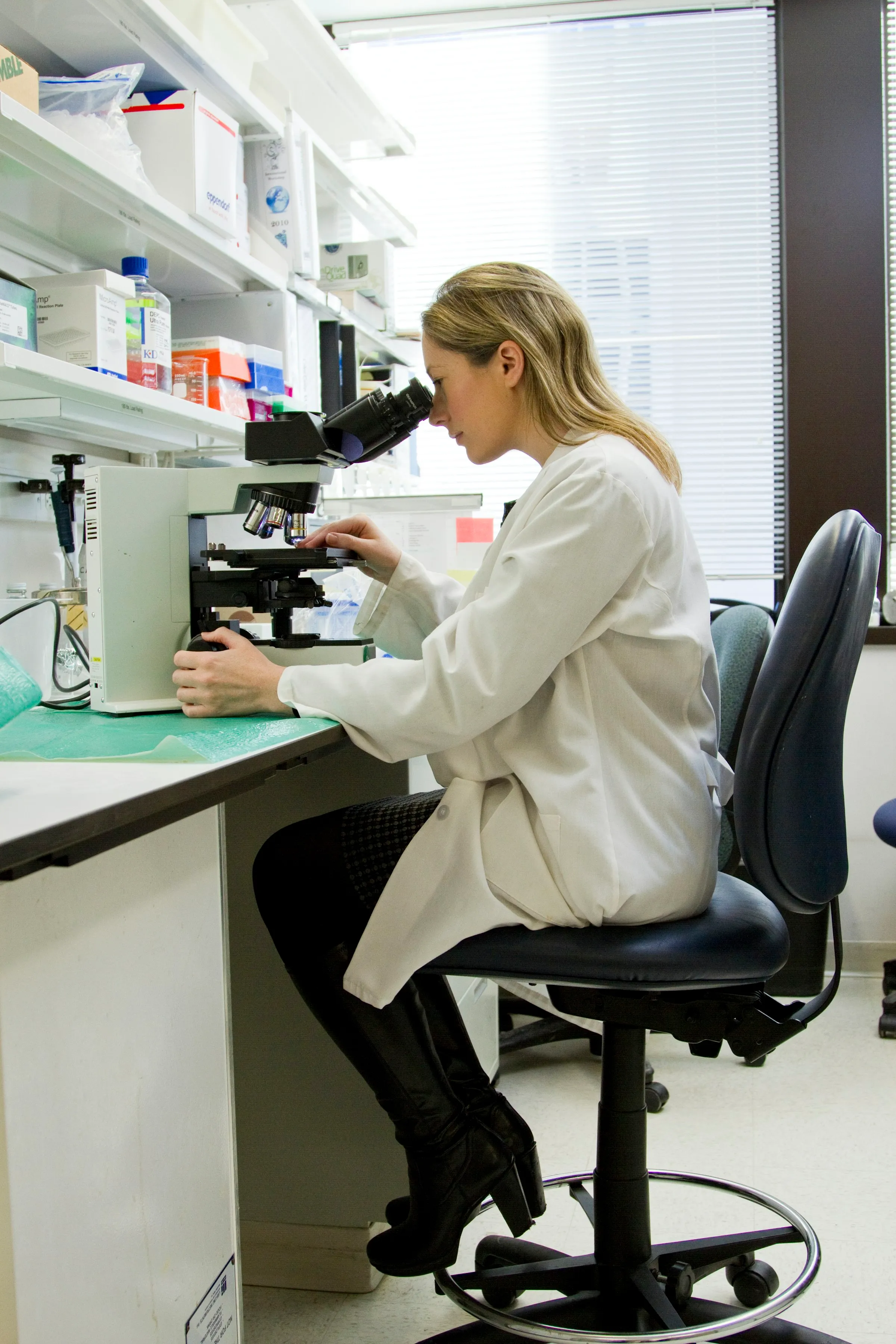
Rigorous scientific testing of every eco-enzyme batch, validated by SGS independent certification.
Join the Regenerative Movement
Explore how your organisation can integrate into the WeGen blueprint or source our certified sustainable produce.