Skip to content
20 years in Hong Kong

Remediate. Restore. Revitalize.

Pioneering regenerative agriculture and aquaculture in Hong Kong for twenty years: no chemical fertilizers, no chemical pesticides, and bio-agents that feed the microbes already in the soil.

What we do

Two practices. One ecosystem.

Twenty years of microbial work on the same land, across crops and fish.

Explore our practice

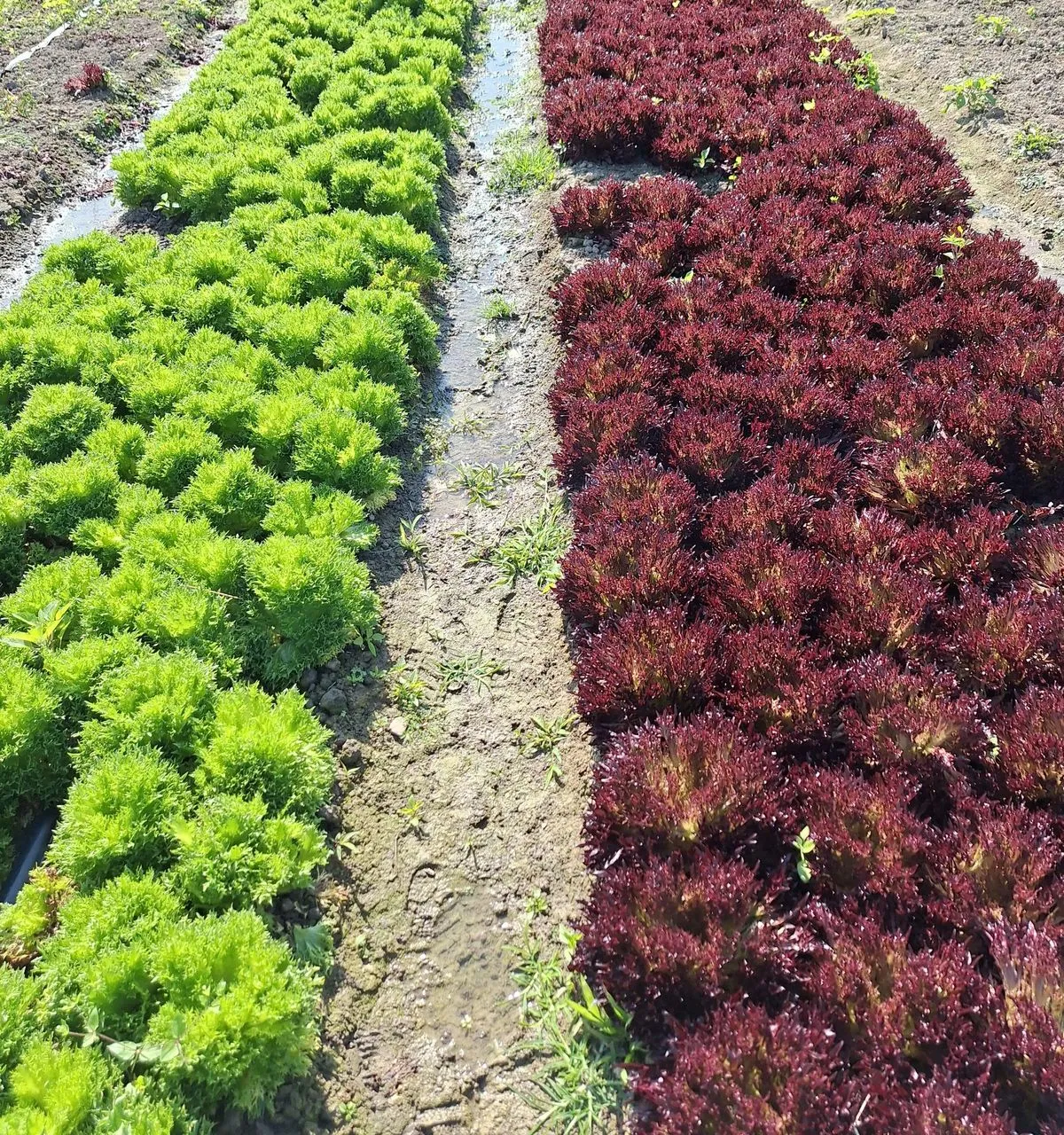
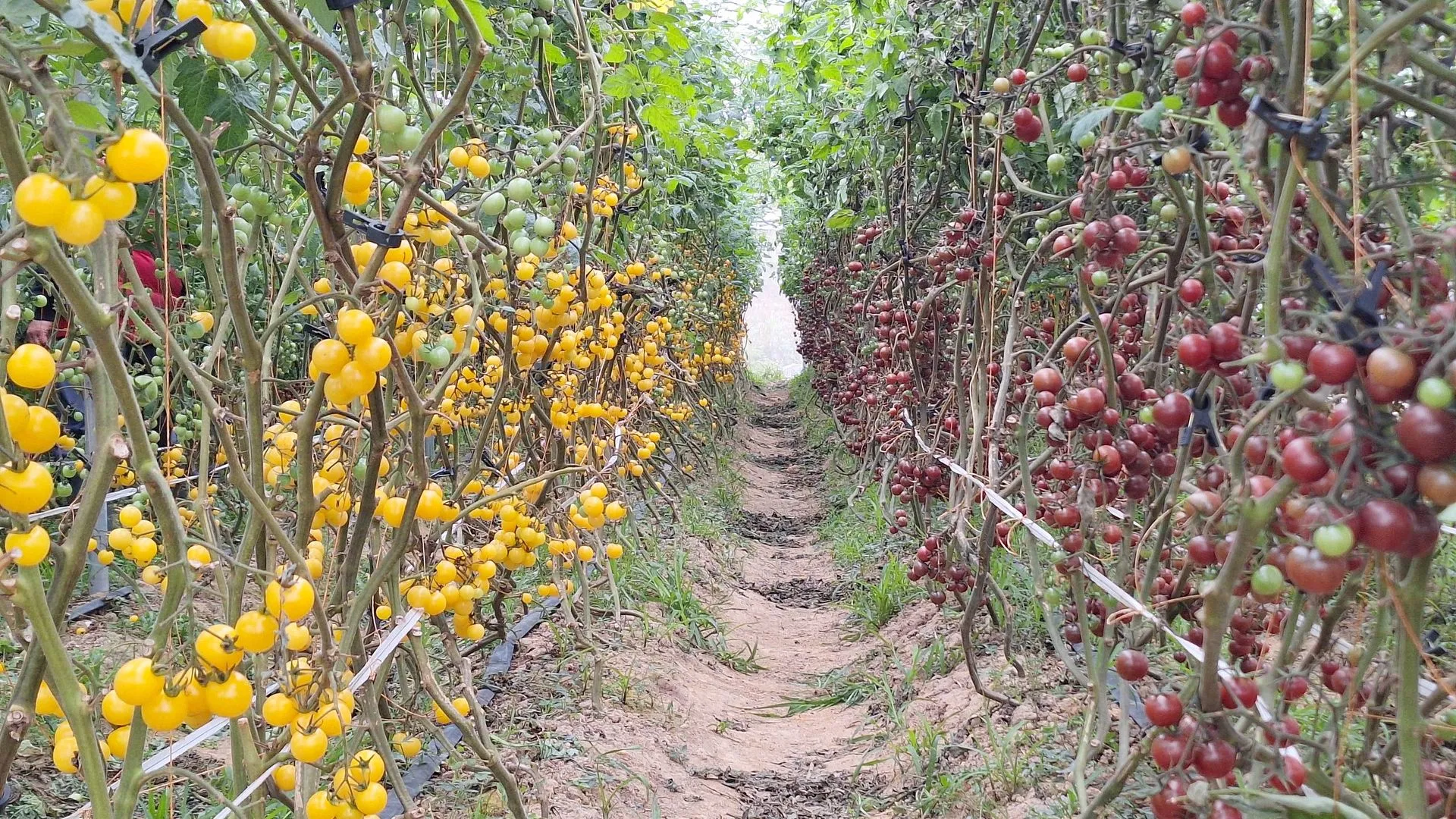
Regenerative Agriculture

Healthier soil, stronger crops, with no chemical fertilizers and no chemical pesticides. Prebiotic bio-agents feed the microbes already in the soil, so the plant builds its own defences rather than being shielded by a spray.

01 / Soil Science
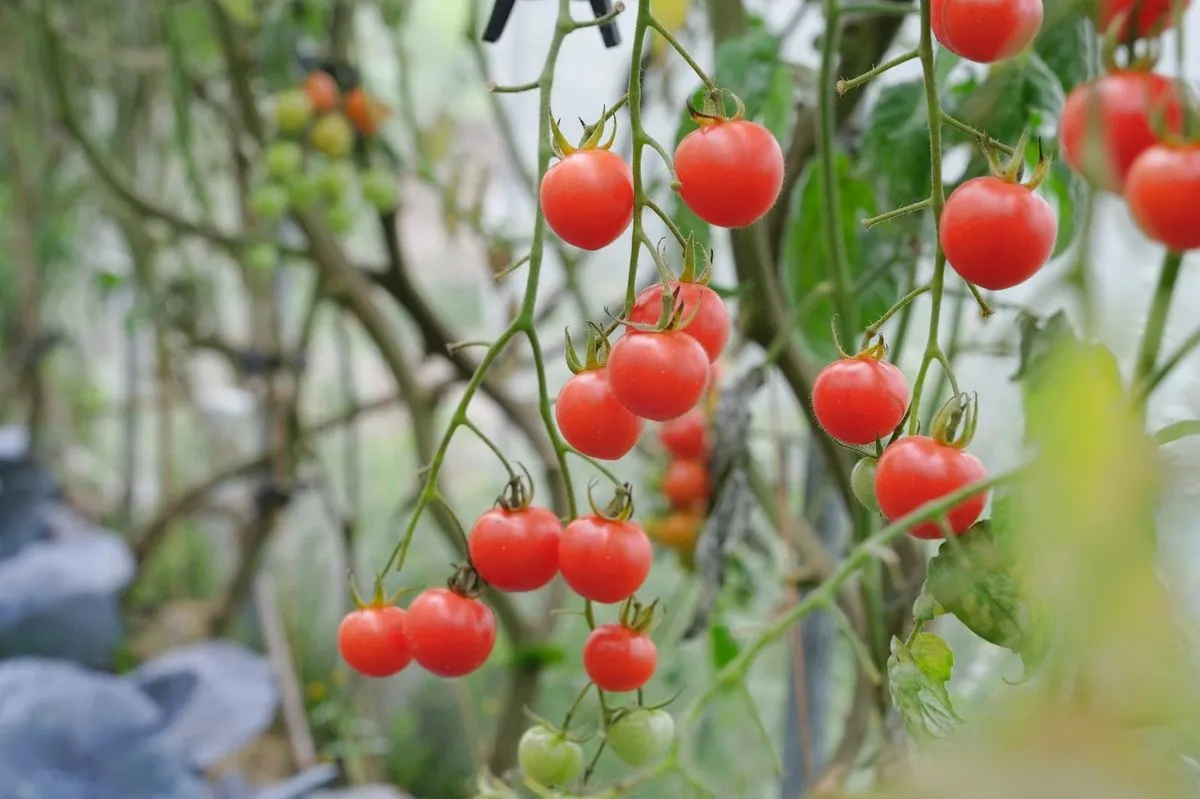
Aquaculture

Three species ship today: red claw crayfish, rainbow tilapia and jade perch. The same bio-agent work reaches the feed: a Lingnan University trial on fermented fruit waste is among the cases.

02 / Aquaculture

Flagship case

The WeGen Initiative

WeGen is Maxim's Group's own initiative, and Hung Yat is its largest contributor. Pre-consumed food waste from about 70 Maxim's restaurants becomes fresh produce, with no chemical fertilizers.

Fruit peels and coffee grounds from about 70 Maxim's restaurants are converted into nutrient-rich bio-agents and used to grow crops without chemical fertilizers. The produce returns to 7-Eleven and Maxim's under the Grounds to Goodness brand. Waste in, food out.

48+
Tonnes of pre-consumed food waste processed
Cumulative to November 2025
18,675
kgCO₂e avoided in a single Jan to Apr 2025 cycle

In partnership with

Maxim's Group 7-Eleven
The farm runs on Regenovate, built by ReGen Lab

The evidence

You do not have to take our word for it.

Our bio-agents are prebiotic, not probiotic: they feed the microbes already living in the soil and water rather than introducing foreign organisms. We do not add anything to the plant. We rebuild what feeds it, and the plant does the rest. Every figure below comes from a named report or trial.

Not Detected

Pesticides, in the 488 and 502-item SGS panels on sampled produce

3

SGS Hong Kong reports, two consecutive years

−51%

Product carbon footprint, lettuce, against conventional

−74.6%

Tomato leaf-spot lesion area, Lingnan University trial

Pesticide panels by SGS Hong Kong. Carbon footprint measured to an ISO 14067-aligned methodology by RESET Carbon. Crop trials run with the Lingnan University Science Unit. Full reports available on request.